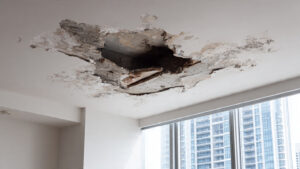
Upstairs Unit Leak in a Florida Condo, What Owners Should Do
Protecting Your Condo and Your Rights
An upstairs unit leak in a Florida condo can flood ceilings, bubble paint, and ruin furniture within minutes. When water starts dripping from above, panic is natural—but swift, smart action is what protects your property and your claim. In Florida condominiums, leaks between units raise complex questions about fault, responsibility, and repair costs. Knowing your rights under Florida Statute 718 helps you respond effectively and recover every dollar you’re owed.
Step 1: Identify and Notify the Right Parties
Your first step after discovering an upstairs unit leak in your Florida condo is to notify both the upstairs neighbor and the condo association in writing. Even if the leak appears to come directly from a neighbor’s unit, the underlying source could involve a common element, such as a shared plumbing stack or roof penetration. Florida’s Condominium Act makes the association responsible for maintaining common systems, so never assume liability until the cause is confirmed.
Send an email with photos attached, or use certified mail for documentation. Describe the damage briefly and request that management dispatch maintenance or a licensed plumber immediately. Written notice creates a paper trail proving the association was informed and had a chance to act.
Step 2: Document Everything with Photos and Video
When dealing with Florida condo water leaks, evidence is your strongest ally. Take wide-angle photos of affected ceilings and walls, then close-ups of bubbling paint, pooled water, and damaged items. If water is still flowing, record a short video showing the leak in real time. Capture timestamps or keep metadata intact so your records are verifiable later. These visuals will be invaluable when you seek reimbursement or file an insurance or legal claim.
Step 3: Begin Immediate Mitigation
Under Florida law, owners have a duty to mitigate further damage. While you wait for management or contractors, set up fans and dehumidifiers, and if necessary hire a professional water-extraction company. Keep every receipt—you may recover these costs from the responsible party once fault is established. Quick mitigation also prevents mold, which can complicate both health and insurance outcomes.
Step 4: Request Maintenance Records from the Association
If the association delays repairs or blames another unit without investigating, formally request copies of plumbing maintenance records, prior leak reports, or recent inspection logs. Under Florida Statute 718.111(12), unit owners have the right to inspect association records within ten business days. A documented pattern of ignored maintenance strengthens your position and can show that the association failed in its legal duty to maintain common elements.
Step 5: Demand a Professional, Independent Inspection
Too often, management assigns blame before knowing the facts. Insist on an independent plumbing evaluation by a licensed contractor not connected to the building’s usual maintenance vendor. A neutral inspection determines whether the leak originated from a private fixture (such as the neighbor’s dishwasher) or a shared system (such as vertical water lines). The report will identify responsibility clearly and prevent your association from dismissing your claim unfairly.
Step 6: Know Your Legal Options
If your board continues to delay or refuses reimbursement, consult an experienced Florida condo leak attorney. A lawyer can:
Review governing documents and insurance policies.
Send a formal demand letter enforcing your rights under Statute 718.
Obtain records through discovery if the board withholds information.
Pursue recovery for repairs, restoration, personal property loss, and attorney’s fees.
Legal representation ensures that the blame game ends and accountability begins.
Why Acting Quickly Matters
Water intrusion spreads fast, and mold can appear within 48 hours. The sooner you notify, document, and escalate, the stronger your Florida condo water damage claim becomes. Delays invite disputes, but organized evidence—photos, logs, receipts, and inspection reports—turns confusion into proof.
Remember: your goal isn’t to argue—it’s to protect your condo and your rights. With the right documentation and professional help, you can achieve full repairs and fair compensation without months of frustration.