Florida Condo Demand Letter: How to Write Effective Repair Demands
Turn silence into documented action that gets results
When leaks, mold, or broken building systems affect your home, a Florida condo demand letter is often the fastest way to turn inaction into repairs. Boards and managers respond differently to phone calls than they do to a well crafted, evidence backed notice that cites the law and sets a clear deadline. If you want movement without months of waiting, learn how to prepare a demand that is professional, persuasive, and aligned with Florida Statute 718.
Florida Condo Demand Letter: What to Include Every Time
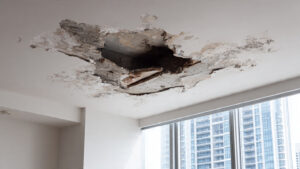
A strong Florida condo demand letter starts with facts and proof. Open with the date the problem began, where it occurred, and the specific damages you observed. Identify likely sources, such as the roof, exterior wall, or shared plumbing stack, and state that these are common elements the association is obligated to maintain under Statute 718.113(1). Attach time stamped photos, short videos, contractor or mitigation invoices, and copies of prior emails to management. Clear evidence shows the issue is real, ongoing, and documented.
Citing the Law and Your Documents in a Florida Condo Demand Letter
Legal references give your letter weight. Cite Florida Statute 718.111 and 718.113 regarding the board’s duty to maintain and repair common elements. Reference your declaration and bylaws if they define the roof, exterior walls, or vertical water lines as common elements. Ask the board to confirm a date for inspection, temporary mitigation, and permanent repair. Request access to relevant records, including recent maintenance logs, vendor work orders, and budgets for the building system at issue. This makes it harder for the association to claim ignorance or to delay without consequence.
Set Clear Deadlines and Remedies That Motivate Action
A demand without a deadline invites more delay. Give a reasonable window, often 7 to 10 days, for the board to respond and begin mitigation. State that failure to respond or act will result in further steps, including a formal claim for reimbursement and a request for attorney fees where allowed by law and your governing documents. Keep the tone professional and focused on solutions. You are not writing to vent. You are creating a record that a judge, mediator, or insurer can understand at a glance.
Structure and Tone That Strengthen Your Position
Effective demands use short paragraphs, clear headings, and a calm voice. Start with a concise summary, then list your attachments, then specify what you want the association to do. Ask for written confirmation of the plan for mitigation and permanent repair. Send your letter by certified mail or by email with a read receipt, and save proof of delivery. The professional tone supports your credibility and makes it easier for the board’s counsel or insurer to approve timely action.
Sample Outline You Can Adapt Today
Subject line: Demand for Repair of Common Element and Reimbursement of Resulting Damage
Summary: Date problem began, location, and nature of damages
Authority: Citations to Statute 718.111 and 718.113 and to your governing documents
Evidence: Photos, videos, invoices, prior emails, and mitigation steps already taken
Requested actions: Inspection date, mitigation start, permanent repair scope, and timeline
Records request: Maintenance logs, contractor reports, and vendor contracts related to the system at issue
Deadline: Written response and start of mitigation within 7 to 10 days
Notice of remedies: Reimbursement, restoration costs, and attorney fees where permitted
When the Board Still Does Not Act
Some boards respond as soon as they see law, evidence, and a firm deadline. Others continue to deflect or blame a neighboring unit without inspecting the system that failed. If there is no timely response, involve counsel. A lawyer will resend your Florida condo demand letter on firm letterhead, renew the deadline, and formalize the records request. Counsel can also escalate to mediation or litigation, where your organized file becomes the roadmap for relief: it shows the damage, the delay, and the cost.
Protect your home by documenting, demanding, and following through
You do not have to accept unanswered emails while water spreads or mold grows. A precise, well supported demand shows you know your rights and expect the board to meet its obligations. With clear evidence, accurate citations, and a fair deadline, you can move your claim from pending to resolved and avoid paying twice for a problem the association must fix.