Florida Condo Association Delays, How to Force Action on Repairs
When Patience Becomes a Liability
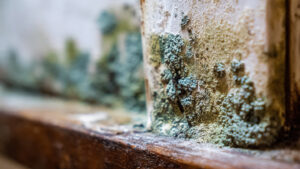
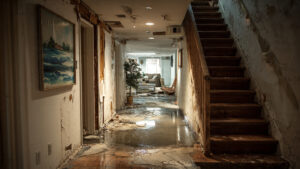
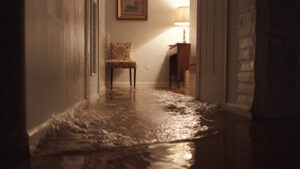
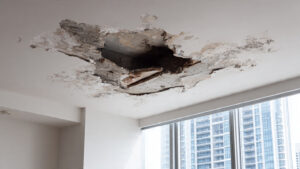
Few situations frustrate condo owners more than Florida condo association delays while water drips through ceilings or mold spreads behind walls. Under Florida Statute 718, boards are legally obligated to maintain and repair common elements such as roofs, shared plumbing lines, and exterior walls. When an association drags its feet, ignores calls, or claims “the next meeting will decide,” it’s not just inconvenient—it can become a legal liability.
Your patience shouldn’t cost you your health, home value, or peace of mind. If your board won’t act, there are proven steps to force repairs and protect your rights under Florida law.
Step 1: Move from Requests to Formal Demands
Informal emails and phone calls rarely move a stalled board. When your Florida condo association delays repairs, you must escalate to a formal written demand. In your letter:
Reference Florida Statute 718.113, which outlines the board’s maintenance duties.
Specify the issue (roof leak, plumbing failure, exterior crack, etc.).
Set a firm deadline, typically 7–10 days, for inspection and repair.
Deliver the demand via certified mail or another trackable method.
Keep copies of everything—letters, photos, receipts, and proof of delivery. This documentation will prove that the association had notice but failed to act.
Step 2: Request Records to Expose Negligence
If you still see no movement, Florida law gives you the right to inspect association records. Under Statute 718.111(12), owners can request maintenance logs, repair invoices, and vendor contracts.
Doing so accomplishes two things:
It shows you’re serious about enforcement.
It may uncover a history of deferred maintenance or ignored contractor warnings—clear signs of negligence.
If your board refuses to provide these records within ten business days, that’s another violation you can document.
Step 3: Use Documentation to Strengthen Your Claim
Every unreturned email or delayed inspection builds your case. Create a timeline of events showing when damage appeared, when you notified the association, and when (or if) they responded. Combine this with photos, invoices, and contractor reports.
If mold or water damage worsens during the delay, note it in writing. Under Florida law, failure to act promptly can make the association liable for resulting damages, including remediation, personal property loss, and sometimes even attorney’s fees.
Step 4: Apply Legal Pressure When Needed
When your condo board delays repairs, it often takes professional intervention to break the stalemate. Contacting a Florida condo attorney doesn’t mean you’re suing immediately—it signals that you’re serious and know your rights. A lawyer can:
Draft a formal demand letter referencing the statutes the board is violating.
Cite case law that holds associations accountable for unreasonable delay.
Initiate pre-suit mediation if the board still refuses to comply.
In many cases, a single attorney letter prompts swift action because the board recognizes the potential financial consequences of inaction.
Step 5: Act Quickly, Delays Cost Money
Water damage doesn’t wait for meeting agendas. The longer your Florida condo association delays, the higher the cost of restoration. Moisture invites mold within 48 hours, which can threaten your family’s health and make repairs exponentially more expensive. Timely legal action ensures the issue is fixed before it becomes catastrophic.
Protecting Your Condo and Your Rights
Your condominium board works for you, not against you. Florida’s Condominium Act exists to hold them accountable. Whether your ceiling is leaking, your plumbing has burst, or your roof needs immediate attention, don’t let bureaucracy stand between you and your home’s safety. With a clear record, a formal demand, and professional legal help, you can turn “pending repairs” into “completed repairs.”