Condo Water Damage: Ceiling Leak vs Pipe Leak
Finding the Source Defines Liability
When Condo Water Damage hits your unit, the first question is not “how much will this cost,” but “where did it come from.” That answer determines who pays. A ceiling leak often traces to the roof or an upstairs unit. A pipe leak might point to shared plumbing that your condominium association must maintain. Florida’s rules are clear enough to guide you, but only if you document the source and tie it to the right duty.
Why the source decides who pays in Condo Water Damage
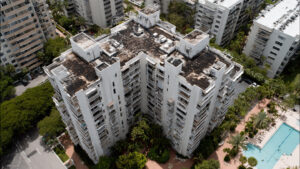
Under your governing documents and Florida law, the building’s common areas and shared systems usually fall under association responsibilities, while finishes inside your unit are typically yours. If Condo Water Damage flows from a roof failure, exterior wall breach, or a vertical plumbing stack that serves multiple units, the association is generally responsible for repairing the source and, in many cases, for related interior damage. If the problem starts inside a neighbor’s unit or a fixture you alone control, responsibility may shift. The source is the map that leads to the paying party.
How to confirm the origin without guessing
Do not rely on assumptions. Ask management to send a licensed roofer or plumber and request a written report that names the failure point. For a ceiling leak, that might read “roof membrane breach above stack A4” or “overflow from Unit 7B.” For a pipe leak, it might specify “common riser behind 3rd floor chase.” Save copies of the report, any moisture readings, and photos of stains, bubbling paint, pooled water, and damaged contents. This documentation turns your claim from opinion into evidence and strengthens Condo Damage Claims if the board hesitates.
Ceiling leak clues versus pipe leak clues
Ceiling leaks usually align with heavy rain or roof drainage paths and may show spreading stains across drywall seams. Pipe leaks can appear during dry weather and may track vertically near chases or shafts. Either way, take time-stamped photos and short videos. If safe, note whether the building’s main shutoff or a neighbor’s valve changes the leak. These details help the inspector isolate the cause of your Condo Water Damage quickly.
Prevent misdiagnosis that leads to denied claims
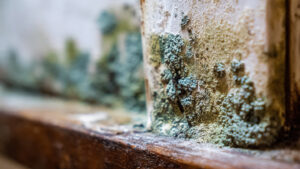
Mislabeling a common-element failure as a unit issue can push costs onto the wrong party, delay repairs, and increase mold risk. Ask for the association’s prior maintenance logs or vendor records if you suspect failure to maintain. A history of postponed roof work or recurring riser leaks supports your position and shows this is not a one-off event. Clear evidence plus a correct label often resolves Condo Litigation before it starts.
What to put in your written notice
Email management and the board with three essentials: the timeline, the evidence, and the requested action. Attach photos, the inspection report, and any invoices for emergency extraction or drying. State plainly whether the inspector identified a roof, wall, or shared pipe as the source. Ask for written confirmation of mitigation and a schedule for permanent repair. This preserves Condo Owner Rights and shows you acted promptly.
Insurance and association responsibilities without the runaround
Your HO-6 policy may help with interior finishes and personal property caused by Water Intrusion, but it does not erase the board’s duty to maintain common elements. If the source is a roof or shared pipe, the association should coordinate and fund the source repair. Your insurer may then address contents and finishes and, if appropriate, pursue reimbursement later. Clear separation of responsibilities keeps you from paying twice.
When to escalate for a timely fix
If calls and emails stall, send a professional demand that cites the governing documents and requests action by a reasonable deadline. Ask for access to relevant records tied to the roof or plumbing system in question. Legal consultation can move a claim from pending to scheduled repair, especially where the evidence shows a common-element failure and a pattern of delay.
The bottom line
You do not need to be an engineer to resolve Condo Water Damage. You need clear evidence of the source and a record that connects that source to the correct duty. Confirm it in writing, keep your file organized, and insist on action that fixes the cause, not just the symptoms. Getting the origin right protects your property, your health, and your rights.