How to Document Florida Condo Water Damage Like a Pro
Building Evidence That Strengthens Your Claim
When Florida condo water damage strikes, how you document it can determine whether your claim succeeds or stalls. A sudden roof leak, plumbing break, or overflowing drain can cause thousands of dollars in losses within hours. Under Florida Statute 718, your condominium association is responsible for maintaining common elements like roofs, shared plumbing, and exterior walls—but proving their liability depends on your documentation. The more organized, detailed, and time-stamped your evidence, the stronger your position becomes if you need to file a reimbursement or legal claim.
Step 1: Capture Visual Evidence Immediately
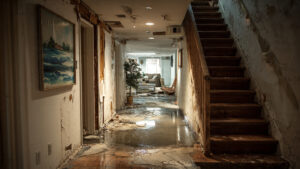
The most powerful tool in any Florida condo water damage claim is a clear visual record. Take photographs and short videos as soon as you discover the leak. Include:
Wide-angle shots that show the full room or affected area.
Close-ups of stains, dripping points, and pooling water.
Ceilings, baseboards, and flooring where moisture travels unseen.
Make sure your photos include visible timestamps or metadata. Shoot from multiple angles so no one can argue that the damage was minor or pre-existing.
Step 2: Maintain a Detailed Written Log
Memory fades quickly during a stressful leak. Create a written log or spreadsheet listing every key event: the time you noticed the problem, when you called management, who responded, and what actions were promised. Include the names of board members or maintenance staff you spoke with. If the leak worsens or new damage appears, record that as well. This written timeline provides a clear chain of events showing that you acted promptly and that the association had notice of the issue.
Step 3: Notify Your Condo Association in Writing
Verbal reports are rarely enough. Always send an email or certified letter to your management company and condominium board describing the situation and attaching your photos. Ask for written confirmation of receipt and a timeline for both mitigation and permanent repairs. Keeping written correspondence prevents disputes later about whether the board knew of the leak. Florida courts consistently uphold that written notice is vital in proving an association’s failure to act.
Step 4: Preserve Damaged Materials and Obtain Professional Reports
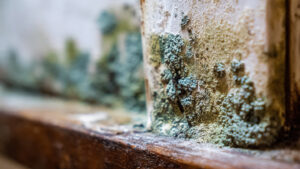
After a leak, resist the urge to immediately discard soaked materials. If possible, save a small sample—such as drywall or insulation—that shows moisture or mold. These samples can become valuable evidence if your case escalates. Request a professional inspection or remediation report from a licensed vendor. Such reports carry weight in legal proceedings because they establish the cause of damage and the extent of contamination. If your association delays or hires unqualified contractors, note that in your log as potential negligence.
Step 5: Track Expenses and Secondary Effects
Every Florida condo water damage case should include a record of financial and personal impact. Keep receipts for mitigation services, hotel stays, cleaning supplies, or replacement furniture. If you miss work due to cleanup or health issues from mold exposure, record those losses too. Under Florida law, owners can recover not only repair costs but also consequential damages caused by an association’s failure to maintain common elements.
Step 6: Know When to Escalate Your Claim
If management stops replying or blames you for the damage, it may be time to seek legal help. A Florida condo attorney can analyze your governing documents, correspond with the board on your behalf, and, if necessary, file a claim to recover your costs and attorney’s fees. Many owners who kept thorough records have won full reimbursement simply because they followed these documentation steps.
Why Documentation Matters Under Florida Law
Proper documentation transforms frustration into leverage. Your photos, reports, and logs prove not only that damage occurred but that it resulted from neglect of a common element. The Florida Condominium Act gives owners the right to hold associations accountable when they fail to maintain the property. When you provide evidence that is organized, dated, and verified, your claim becomes nearly impossible to deny.
Take Control of Your Claim
Don’t let your association’s delays cost you thousands. Start your evidence file the moment water appears, and keep adding to it until the problem is resolved. If you’re unsure what qualifies as strong proof, our experienced legal team can guide you step by step and help ensure your Florida condo water damage claim leads to full recovery and peace of mind.